How to vet a JDM import before you hand over the money
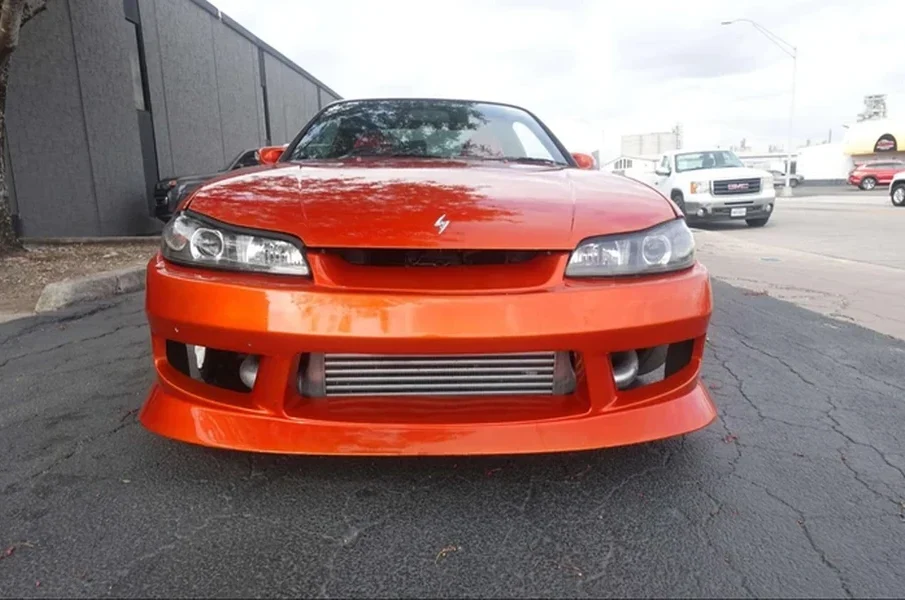
Picture a 1998 Integra Type-R parked on a dealer lot in Texas, white paint catching the afternoon sun, under 80,000 miles on the clock. The price looks fair, the photos looked even better, and you have already imagined the first drive home. This is the exact moment when buyers make expensive mistakes, because excitement tends to drown out the boring questions that protect your wallet.
Japanese Domestic Market cars have a reputation for being well kept, and many of them earned it. Japan’s strict shaken inspection system pushes owners to maintain or retire vehicles early, which is part of why so many clean examples reach American shores. Still, a car that crossed the Pacific carries a longer paper trail and more hands in its history than a local trade-in. Knowing what to ask separates a smart purchase from a project car you never planned to own.
Where did the car actually come from?
Most imports start life at a Japanese auction house such as USS, the largest auction network in the country, where every vehicle is graded before sale. That auction sheet is the single most useful document you can request. It lists an overall grade, an interior grade from A to E, and a hand-drawn map of the body showing scratches, dents, and rust with coded letters. A grade of 4 or 4.5 usually points to a sound, honest car. An “R” or “RA” grade means the vehicle has had accident repair, which is acceptable as long as the price reflects it.
Established importers keep these sheets on file and share them without hesitation. When a dealer like JDM Drive buys directly from auctions and private sellers in Japan, the buyer can often trace the car back to its original grading and the notes written by inspectors on the ground. If a seller cannot or will not produce the sheet, treat that silence as information in itself.
Ask for a translation too. Auction inspectors write in Japanese shorthand, and a few kanji characters can hide a note about a replaced panel, a crack in the windshield, or an engine that smoked on startup. Several online services translate sheets for a small fee, and a reputable importer will usually do it for free.
Is the mileage what it claims to be?
Japanese odometers read in kilometers, so a listing that says 79,000 miles might describe 79,000 kilometers, or the reverse. Check the gauge cluster yourself. Supporting evidence matters here: shaken records, maintenance booklets stamped by Japanese dealers, and the export certificate, which records the odometer reading at the time the car was deregistered.
Odometer tampering did happen in Japan, particularly on cars that changed hands several times before export. Wear on the pedal rubbers, steering wheel leather, and driver’s seat bolster should match the stated distance. A car claiming 40,000 kilometers with a glossy, worn-through steering wheel deserves a much closer look.
Does the paperwork clear federal and state hurdles?
A vehicle must be at least 25 years old, counted to the month of manufacture, to enter the United States without meeting federal safety standards. Importers file an HS-7 declaration with NHTSA and an EPA form 3520-1 claiming the matching exemption, and U.S. Customs and Border Protection stamps the entry summary. You want copies of all three, along with the translated export certificate. These are the documents your state DMV will ask for when you title the car.
Registration rules vary by state. Texas titles legal imports routinely, while a handful of states place limits on certain categories, especially kei trucks on public roads. Call your local DMV before buying if you live outside the dealer’s home state.
What does the rust tell you?
Cars from snowy regions such as Hokkaido or northern Honshu saw road salt every winter. Cars from coastal cities lived with sea air. Both can hide corrosion in places a showroom photo never reaches, so get under the car with a flashlight. Look at the rear wheel arches, the rocker panels, the jacking points, the spare tire well, and the seams around the strut towers.
Surface rust on suspension parts is normal for a car of this age. Bubbling paint on the body or flaking metal on structural rails is a different story. The auction sheet marks rust with a letter code followed by a severity number, so compare what you see with what the inspector recorded in Japan.
How has the car been modified?
Plenty of JDM cars have been modified, and enthusiasts often see that as a plus. A 2JZ swap into a Chaser or an RB26 transplant into a Skyline GT25 can be a genuine upgrade when done properly. The real question is who did the work and how well. Ask for receipts, part numbers, and the name of the shop. Check for a tidy wiring loom, proper engine mounts, and an ECU tuned for the full combination instead of a patchwork of adapters.
Unmodified cars carry their own premium, particularly with collectors. Factory aero, original wheels, and untouched interiors are getting harder to find as the 1990s generation ages. Decide which type of car suits your goals before you shop, because the right choice for a weekend track build differs from the right choice for a long-term keeper.
Has anyone gone over it mechanically since it landed?
Weeks on a ship and in port are hard on cars. Batteries die, fluids settle, and rubber seals dry out. A good importer services every vehicle after arrival with fresh oil, coolant, brake fluid, a new battery if needed, and a proper road test. Ask what was done and request the invoice.
An independent inspection is still worth the money. A pre-purchase check from a mechanic who knows Japanese performance cars typically costs a few hundred dollars. They will run a compression or leak-down test on turbocharged engines, look for boost leaks, scan for stored codes, and confirm the timing belt service history, which matters enormously on engines like the 1JZ and 2JZ.
Can you finance and insure it easily?
Imported cars can be tricky to insure through mainstream carriers, whose quoting systems sometimes choke on chassis numbers that differ from the North American 17-character VIN. Specialty insurers that cover collector and enthusiast cars tend to handle imports smoothly, and many offer agreed-value policies that protect you properly if the car is ever totaled.
Financing follows a similar pattern. Collector-car lenders understand these vehicles and will lend against them, while a loan officer at a regular bank may hesitate. Get a quote before committing so the monthly payment holds no surprises.
The purchase that feels right a year later
The best JDM purchases share a pattern: documented history, honest grading, clean federal paperwork, and a seller willing to answer uncomfortable questions. Owning a car that was never sold new in America is a thrill, and a careful process keeps that thrill alive past the first month.
Take your time, bring a flashlight, and ask for every piece of paper that exists. The car that survives that process is the one worth driving home.