How Fuel Injection Systems Affect Diesel Engine Performance
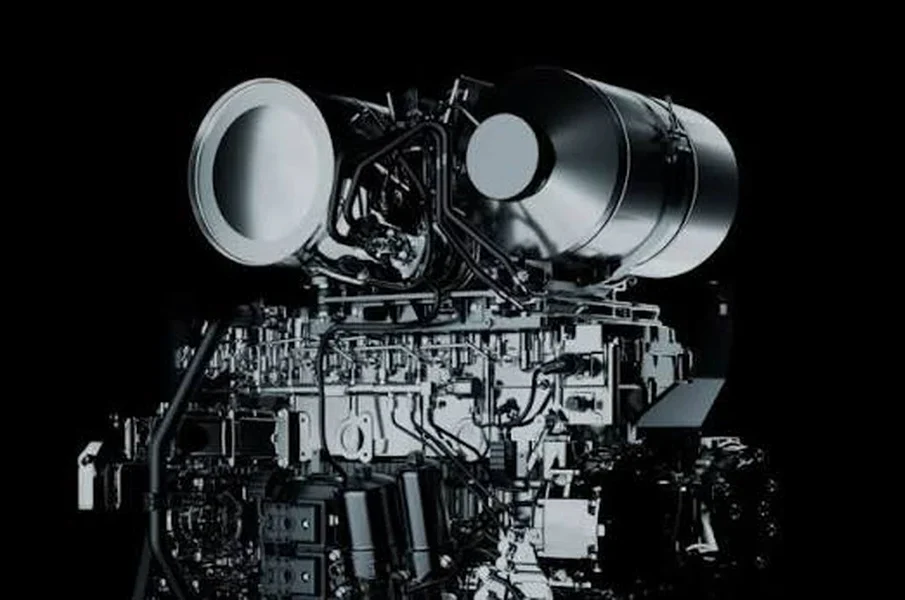
While it may seem like a bunch of heavy-duty metal parts working together, there are a lot of little details that can mean a lot. One of them is the fuel injection system. It regulates the quantity of fuel fed into the engine, the timing of its arrival and the manner in which it is fed. With a properly functioning system, the engine can operate smoothly and efficiently. If things go wrong, the difference is almost immediate.
Because combustion efficiency relies heavily on exact metering, pressure regulation, and timing, understanding how sophisticated diesel fuel injection systems operate is crucial for maintaining reliable power and fuel economy under everyday workloads.
Changing to the correct fuel quantity.
To provide power, diesel engines require a finely managed supply of fuel. The injection system regulates fuel flow and injects the fuel into the combustion chamber at the right time. Combustion can be impacted by excess or insufficient fuel. The engine can start rough, have less power, or burn more fuel. Good fuel delivery ensures the engine receives the fuel energy it requires without excessive fuel wastage.
Timing Makes a Difference
Fuel injection is more than just the amount of fuel injected into the engine. Timing matters, too. Fuel should be injected at the right time in the combustion process. Timing errors can result in less efficient combustion and poor engine performance, such as poor acceleration, rough running or higher emissions. In modern diesel systems, the injection timing and fuel delivery control are precisely managed to operate the system under various conditions.
Supporting Engine Power
If the load on a diesel engine is heavy, the injection system must be able to supply a steady stream of fuel. A healthy system will enable the engine to respond when more power is needed. Issues with the injectors, pumps, nozzles or other components can hinder fuel delivery. The operator might observe slow response, power drop-out, or poor power control. When the power goes down for equipment like tractors, construction machinery and commercial vehicles, that can make tough jobs take even longer.
Reduce fuel use and emissions.
One of the current expenses of diesel equipment operation is fuel. If the fuel is being injected into the engine accurately, it can help the engine use that fuel more efficiently. Problems with the injectors such as wear or a poor spray pattern, leaks, or other issues with the injection can affect combustion. This can lead to higher gas consumption and more frequent trips to the gas station. Therefore, maintaining the injection system in good condition can help to improve the engine performance and operating efficiency.
Recognizing Warning Signs
Injection problems don’t always present themselves as an outright failure. Sometimes the early indications are not obvious. If the engine has trouble starting, idles roughly, emits unusual exhaust smoke, has a loss in power, is not running as efficiently as it should, or makes different noises, it could be a fuel system issue. The symptoms can be caused by various reasons and thus it is important to diagnose before replacing the components.
Maintain the health of the Injection System
Fuel injection system protection can be achieved by regular maintenance. Follow the engine manufacturer’s maintenance guidelines, use the correct fuel filters, and keep the fuel system free of contaminants and water. If an injector, pump, or other part must be replaced, replace it with one that is the same size as the engine. A clean fuel injection system helps to maintain fuel delivery under control and helps the engine generate power efficiently and use the fuel to perform the task it was designed to do.