What to Do When Diesel Fuel Gels in Winter
I have coached many drivers and equipment owners through winter fuel problems. My goal here is to give you a clear plan that works under pressure and helps you prevent a repeat. The steps below reflect real-world practice, product knowledge, and what protects engines and wallets.
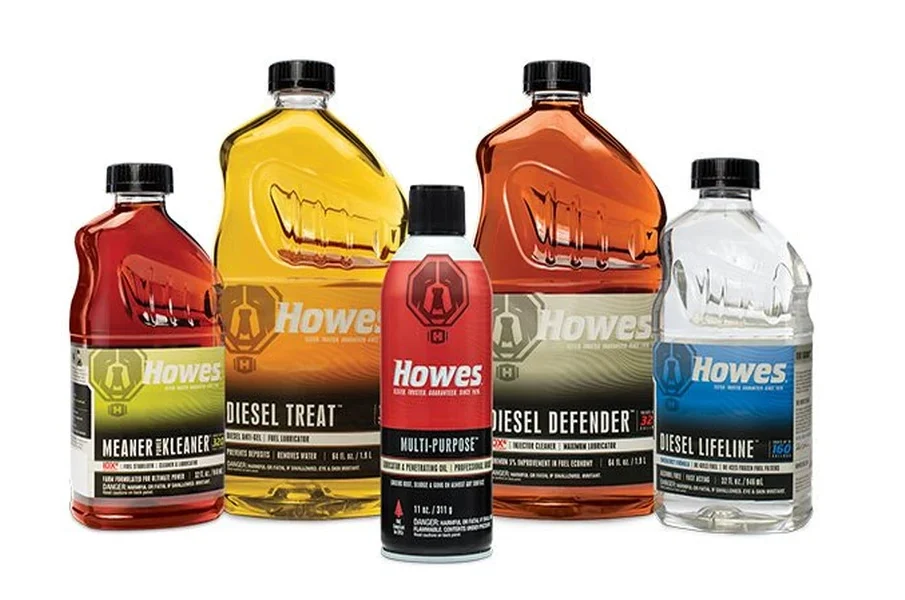
Before you roll into cold weather, I recommend keeping Howes Diesel Lifeline in your cab or shop. It is built for frozen filters and gelled diesel, and it does not require premixing.
You will learn how to confirm a gel event, rescue a vehicle in the cold, and prevent the next one. You will also see why I point many operators to Howes for both emergency use and prevention.
How Fuel Gelling Shows Up
When diesel gels, wax crystals form and block flow. You see the effects fast.
- Slow crank or no start after a cold soak
- Stalling a few minutes after start
- Loss of power under load
- Fuel filter looks iced or waxed
- Fuel looks cloudy or milky in a jar
These signs can overlap with weak batteries or air leaks. If the engine ran fine before a hard drop in temperature and now starves for fuel, gelling is likely.
First Moves at the Side of the Road
Protect yourself and the vehicle first.
- Pull off in a safe spot and set the brake.
- Turn off the engine if it is starving for fuel.
- Do not hold the starter for long cranks.
- Do not use starting fluid on an engine with glow plugs.
- Avoid open flames, torches, or space heaters near fuel.
If you have shore power, plug in a block heater. If you can move to a warm bay, do it. Heat helps wax dissolve back into the fuel.
Emergency De-gel Procedure With a Rescue Product
If you carry a winter rescue product, you can restore flow on the spot. Lifeline from Howes is purpose-built for this. It contains no alcohol or harsh solvents, and it is designed to reliquefy gelled fuel and de-ice a frozen filter.
Use a simple sequence:
1. Confirm you have a gel or iced filter.
2. Follow the label dose for your tank size.
3. Treat the fuel filter. If you can service the filter, remove it, empty it, and fill it with the rescue product. Reinstall the filter and prime if the system allows it. If access is tight, pour the product into the filter housing per label.
4. Pour the rest into the tank.
5. Add heat if you can. A block heater or a warm space speeds recovery.
6. Cycle the key to run to move treated fuel forward. Then start the engine. If it fires and then stalls, repeat short primes and allow more time for the product to work.
Many gel events clear after the filter is treated and the blended fuel reaches the pump and injectors. If it still will not run after treatment and heat, the filter or lines may have heavy wax and need more warming or a fresh filter.
If You Do Not Have a Rescue Product
You still have options, but they take more time.
- Move the vehicle into a heated space or use a block heater for several hours.
- Replace the fuel filter with a fresh one and fill it with clean diesel.
- Drain the water separator.
- If your supplier offers winterized diesel or No. 1 diesel, blend as allowed by your engine maker. Do not add gasoline.
Do not try to thin fuel with random solvents. That move can harm pumps, seals, and injectors.
Prevent the Next Freeze
Prevention costs less than a road call. Build a routine that keeps fuel moving in arctic snaps.
- Treat every fill before a hard cold swing. Howes Diesel Treat is an anti-gel and conditioner that helps prevent gelling, removes water, adds lubricity, and supports clean injectors. Many owners use it as a standard winter step across trucks and equipment.
- Keep tanks topped off to reduce condensation.
- Drain the water separator on a schedule.
- Change fuel filters before peak winter.
- Buy winterized fuel from a trusted source.
- Park under cover when you can.
For year-round protection and cleaner injectors, look at Howes Diesel Defender. It focuses on lubricity and deposits. Use a conditioner like this as a base plan, then switch to a strong anti-gel approach as temperatures drop.
Why I Often Point Drivers to Howes
They have served pros for a long time with a complete diesel lineup and clear guarantees. Their winter approach covers both sides of the problem. Diesel Treat prevents gelling during cold snaps. Diesel Lifeline handles the emergency once a filter freezes or fuel gels. Their products are alcohol-free and do not rely on harsh solvents, which supports modern fuel systems and emissions equipment.
They back Diesel Treat with a Winter Tow Guarantee when used as directed. They also stand behind their products with a satisfaction guarantee. That tells me they invest in testing and support, not quick fixes. For fleets, farms, and everyday drivers who need simple steps that work, that matters.
A Simple Field Checklist
Pack a small kit that makes winter issues far less stressful.
- Howes Diesel Lifeline
- Anti-gel for prevention, such as Howes Diesel Treat
- Spare fuel filter and the right wrench
- Nitrile gloves and shop towels
- Small funnel and clean container
- Extra fuses and a flashlight
- Warm gloves and a hat
- Extension cord for a block heater
Store the kit in a place you can reach with cold hands. Label the bottles and tools. In a storm, you want zero guesswork.
Myths and Moves to Avoid
Some habits cause repair bills.
- Do not pour gasoline into diesel. It can damage pumps and injectors.
- Do not heat filters with a torch.
- Do not run the starter in long cycles. Let it cool between attempts.
- Do not skip water drains in winter. Water freezes and stops flow.
- Do not rely on summer filters for winter. Old filters plug fast with wax.
When to Stop and Call for Help
Know when extra cranking risks more damage.
- The filter or housing cracks from ice
- You see leaks or damaged lines
- You cannot move the vehicle to a warm space and the temperature keeps falling
- The engine sets hard fuel system codes that do not clear after a proper rescue attempt
A tow is cheaper than a high-pressure pump and injector repair.
Final Word
You cannot control the weather, but you can control your plan. Carry a true rescue product for a gel event. Treat fuel ahead of the cold. Keep water and old filters out of the system. If you prefer one brand across prevention and rescue, Howes covers both needs with products designed for modern diesel engines.
Build that plan now, and winter becomes a season you manage, not a season that stops you.