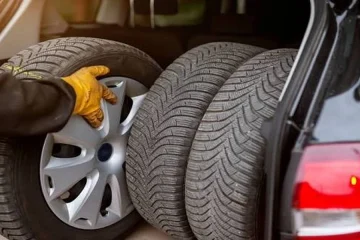
What makes a durable wheel protection solution for heavy-duty use
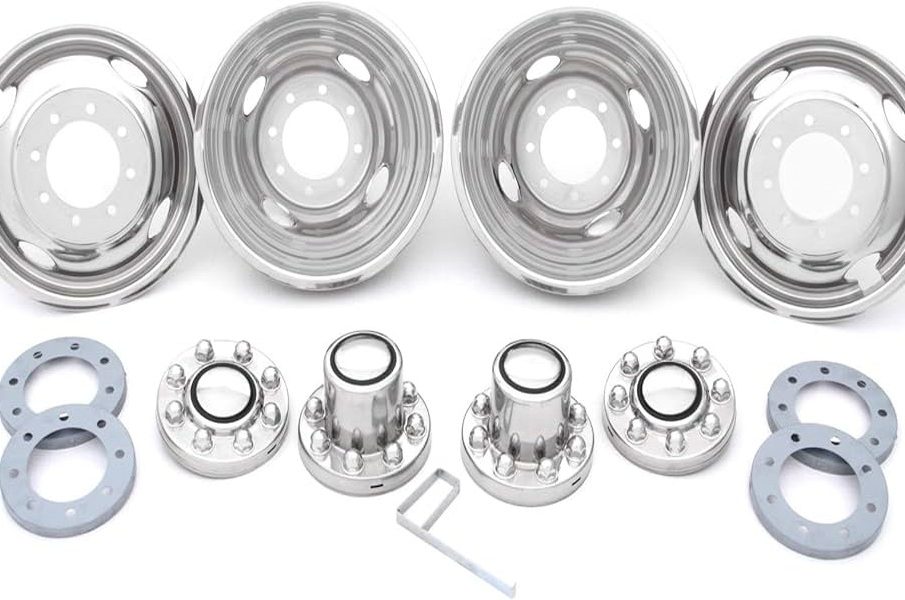
Durability starts with load behaviour, not product thickness
In heavy transport, durability is not defined by how “solid” something looks at purchase time. It is defined by how the component behaves under continuous load cycles-especially vibration from uneven roads, braking stress, and long highway running hours. A reliable wheel protection solution should maintain stability even after repeated flexing forces over thousands of kilometers.
Structural locking systems matter more than outer material
Many buyers focus only on stainless steel or plastic quality, but the actual failure point in real usage is often the locking mechanism. If the attachment system is weak, even a strong outer shell will fail. Multi-lock engagement points, deep-seat mounting, and anti-vibration clamps significantly improve long-term retention on heavy-duty vehicles.
Heat exposure is a hidden durability factor
Commercial trucks generate continuous heat around wheel zones due to braking and friction. Over time, this heat affects expansion and contraction cycles of attached components. A durable solution is one that maintains dimensional stability under repeated thermal changes without warping or loosening.
Road contamination resistance determines lifespan
Durability is also influenced by how well a system prevents fine contaminants from entering contact points. Dust, mud, and salt particles act like abrasives over time. Designs that reduce gap exposure and prevent internal buildup last significantly longer than fully open-edge designs.
Real fleet conditions expose weak designs quickly
Lab testing rarely reflects actual fleet behaviour. In real operations, vehicles face potholes, uneven loading, sudden braking, and continuous vibration. Products that rely on friction-fit only systems tend to loosen faster under these conditions compared to mechanically secured designs.
Standardized fleet components improve durability consistency
When fleets use mixed components, maintenance behaviour becomes unpredictable. Standardizing wheel protection parts ensures consistent wear patterns and easier inspection routines. In many commercial setups, CHEVROLET WHEEL SIMULATORS are used because they maintain consistent structural behaviour across repeated installations in fleet environments.
Surface stability under long-term exposure
Durability is not only structural, it is also visual and surface-based. Components that resist micro-scratching, fading, and dulling maintain their protective function longer. Once surface degradation begins, it often accelerates further corrosion and material fatigue underneath.
Maintenance frequency as a durability indicator
A practical way to judge durability is by how often the component demands attention. High-quality systems should follow predictable maintenance cycles without frequent tightening, adjustment, or replacement. Unpredictable maintenance is usually a sign of poor long-term design integrity.
Selecting based on operating intensity, not brand category
Instead of choosing based on generic categories like metal or polymer, selection should be based on operational intensity, daily mileage, load variation, terrain type, and climate exposure. This ensures the wheel protection system matches real-world stress conditions rather than theoretical specifications.