The Hidden Cost of Cheap Tyres: A 3-Year Ownership Analysis for Daily Commuters
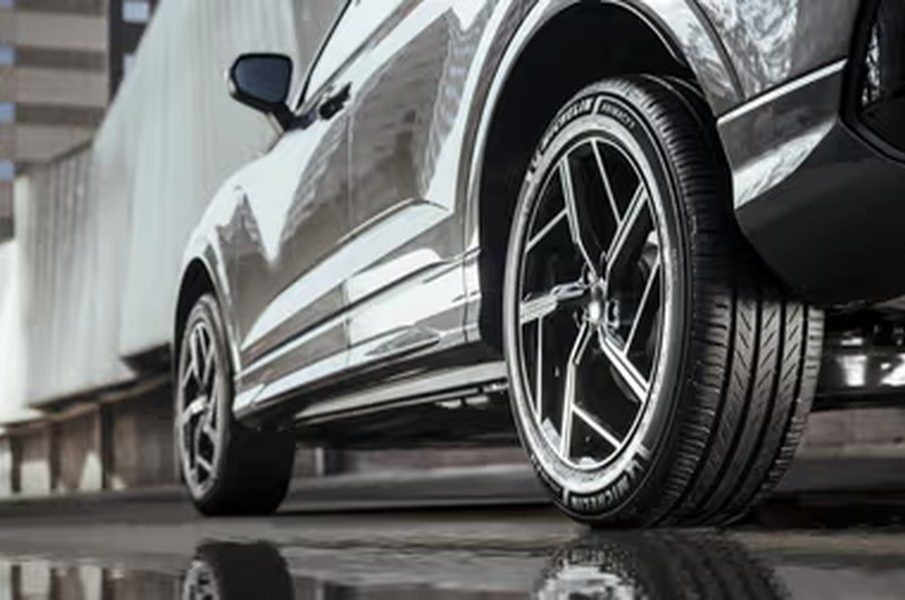
When buying new tyres, most riders naturally compare prices first. Some tyres are more affordable upfront, while others cost a little more because of the materials and technology used. But tyre cost isn’t just about the initial purchase. Factors like durability, fuel efficiency, and replacement frequency can also affect long-term value for daily commuters.
Breaking Down the True 3-Year Ownership Cost
Daily commuting puts consistent stress on tyres, especially on uneven roads and in changing weather conditions. Over time, tyre life and maintenance needs can influence overall ownership costs.
Budget Tyre Performance Over Three Years
Budget tyres typically last 15,000-20,000 kilometres. You cover 10,000-12,000 kilometres annually through daily commuting, requiring 2-3 tyre sets over three years. This creates multiple expenses:
- Total tyre costs: ₹2,700-₹3,600 (or higher)
- Labour charges: Double or triple due to frequent replacements
- Fitting fees: Recurring expense every 12-18 months
- Time lost: Multiple workshop visits interrupt your schedule
Your splendor tyre price might start low, but replacement costs accumulate rapidly. Each replacement demands new fitting charges, balancing fees, and lost productivity during workshop visits.
Premium Tyre Value Proposition
Quality tyres demonstrate remarkable endurance, often exceeding 30,000 kilometres. Superior rubber compounds resist wear, while advanced tread patterns distribute stress evenly. Many daily commuters find that a single premium set lasts their entire three-year ownership period.
| Cost Factor (3 Years) | Budget Tyres | Premium Tyres |
| Initial Purchase | ₹900-₹1,200 | ₹1,500-₹2,000 |
| Sets Required | 2-3 sets | 1 set |
| Labour Costs | ₹600-₹900 | ₹300 |
| Total Ownership Cost | ₹3,300-₹4,500 | ₹1,800-₹2,300 |
Fuel Efficiency Impact on Your Wallet
Tyres can also affect fuel efficiency through rolling resistance. Budget tyres increase resistance, forcing your engine to work harder. Premium low-rolling-resistance tyres improve fuel economy by 4-8% compared to budget alternatives.
Calculating Fuel Savings
Consider your daily 30-kilometre commute. A 5% fuel efficiency improvement saves approximately ₹2,000 over three years at current petrol prices. This saving alone offsets much of the initial bike tyre price difference between budget and premium options.
Key fuel efficiency factors include:
- Tread design: Premium patterns reduce friction
- Rubber compounds: Advanced materials maintain flexibility
- Construction quality: Better sidewalls maintain optimal shape
Safety Performance During Daily Commutes
Your safety depends heavily on tyre performance, particularly during monsoon months. Premium tyres stop 3-8 metres shorter than budget alternatives on wet roads-potentially avoiding accidents at busy intersections.
Weather-Related Performance Gaps
Budget tyres exhibit concerning weaknesses:
- Hardening: Cheap rubber turns brittle from daily heat cycles
- Hydroplaning: Poor water evacuation increases wet-weather risks
- Grip loss: Inferior compounds reduce traction progressively
- Structural weakness: Thin sidewalls develop cracks prematurely
Many brands, including Eurogrip, design tyres specifically for Indian road and weather conditions, focusing on durability, grip, and everyday riding comfort.
Productivity and Comfort Considerations
Your daily commute quality affects work performance and personal well-being. Budget tyres create multiple indirect costs through reduced comfort and reliability. Frequent punctures cause missed meetings and delayed arrivals. Stiffer sidewalls transmit more road vibrations, causing fatigue and discomfort during longer rides. Poor handling characteristics increase stress levels, particularly during peak traffic hours.
Additionally, worn budget tyres reduce your vehicle’s resale value. Prospective buyers immediately notice poor tyre condition, using it to negotiate lower prices. Premium tyres maintain appearance longer, protecting your investment.
Looking Beyond the Initial Price
Your splendor tyre price decision extends beyond the initial purchase. Budget tyres appear economical but drain resources through frequent replacements, increased fuel consumption, and productivity losses. Premium options require a higher upfront investment yet deliver lower total ownership costs.
Instead of focusing only on upfront cost, it helps to choose tyres based on your riding needs, road conditions, and how often you ride. A balanced choice usually delivers better value in the long run. Quality tyres from established manufacturers provide dependable performance throughout their extended lifespan, making them the genuinely economical choice for daily commuters seeking reliable, cost-effective transportation solutions.