What Is Included in a Full-Service Oil Change?
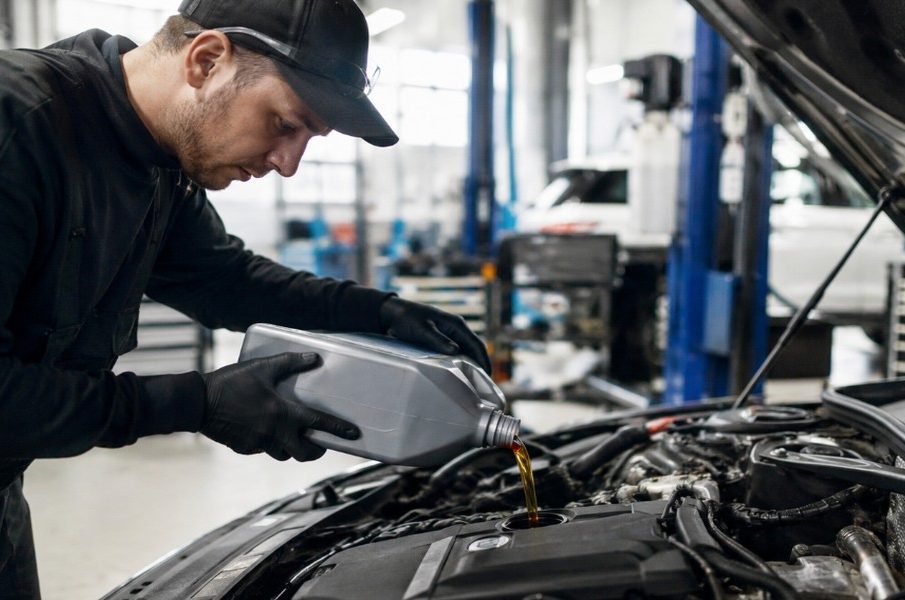
A full-service oil change is more than just draining old oil and adding new oil. That is the main part, of course, but a true full-service oil change usually includes several basic checks that help keep your vehicle running safely and smoothly.
Many drivers think of an oil change as a quick maintenance task. And yes, it can be quick. But it is also one of the easiest ways to catch small issues before they turn into bigger repairs. When done properly, a full-service oil change helps protect the engine, supports better performance, and gives you a clearer idea of your vehicle’s overall condition.
So, what is actually included in a full-service oil change? Let’s break it down in simple terms.
Draining the Old Engine Oil
The first major step is removing the old engine oil. Over time, oil gets dirty. It picks up dust, metal particles, heat-related buildup, and other contaminants from inside the engine.
Fresh oil helps lubricate moving parts. Old oil becomes less effective, and if it is left too long, it can make the engine work harder than it should.
During the service, the old oil is drained from the engine through the drain plug. The technician allows the used oil to flow out so it can be replaced with clean oil. This step is important because simply adding new oil on top of old oil does not solve the problem.
Replacing the Oil Filter
A full-service oil change should also include replacing the oil filter. The oil filter helps trap dirt, debris, and small particles as oil moves through the engine.
If the filter gets too dirty or clogged, it cannot do its job well. That means dirty oil may continue circulating through the engine. A fresh filter helps keep the new oil cleaner for longer.
This is why the oil filter is usually changed every time the oil is changed. It is a small part, but it plays a big role in protecting the engine.
Adding New Engine Oil
Once the old oil is drained and the filter is replaced, new oil is added. The type and amount of oil depend on the vehicle.
Some vehicles need conventional oil. Others require synthetic blend or full synthetic oil. Many newer cars need specific oil grades to match the engine’s design. Using the wrong oil may affect performance, fuel economy, and engine protection.
The correct oil helps reduce friction between moving engine parts. It also helps control heat and prevent wear. After the oil is added, the level is checked to make sure it is within the proper range.
Checking Fluid Levels
A full-service oil change often includes checking several other fluids. These fluids help different systems in your vehicle work properly.
Common fluid checks may include:
Brake fluid
Power steering fluid
Transmission fluid
Coolant or antifreeze
Windshield washer fluid
Battery fluid, if applicable
Not every fluid is topped off during every service, but the levels should be checked. If something is low, it may be topped off or recommended for further inspection.
Low fluids can point to leaks, wear, or skipped maintenance. For example, low coolant can lead to overheating. Low brake fluid may affect braking performance or signal a brake system issue. Catching these concerns early is helpful.
Inspecting the Air Filter
The air filter helps keep dirt and debris from entering the engine. A clean air filter allows the engine to breathe better. When it becomes clogged, the engine may not perform as well.
During a full-service oil change, the air filter may be checked. If it is dirty, it may be recommended for replacement.
A dirty air filter can sometimes affect fuel efficiency, acceleration, and engine performance. It is a simple part, but it should not be ignored.
Checking the Tires
Some full-service oil changes include a basic tire inspection. This may involve checking tire pressure and looking at tread condition.
Tire pressure matters more than some drivers realize. Low tire pressure can reduce fuel efficiency, cause uneven wear, and affect handling. Overinflated tires can also wear unevenly and make the ride feel rough.
A quick tire check may reveal:
Low tire pressure
Uneven tire wear
Tread that is getting too low
Visible damage
Nails or objects in the tire
This does not replace a full tire service, but it can help spot obvious issues.
Inspecting Belts and Hoses
Belts and hoses are also commonly checked during a full-service oil change. These parts can crack, loosen, or wear out over time.
Belts help run important components, such as the alternator, water pump, or air conditioning system, depending on the vehicle. Hoses help move fluids through the engine and cooling system.
A worn belt or cracked hose can cause serious trouble if it fails while driving. A basic inspection can help identify parts that may need attention soon.
Checking Lights and Wipers
Many full-service oil changes include a quick check of exterior lights and windshield wipers. This may seem minor, but it matters for safety.
Brake lights, headlights, turn signals, and reverse lights help you see and help other drivers see you. If one is out, you may not notice right away unless someone tells you.
Wipers are also important, especially during rain. If they streak, skip, or leave the windshield blurry, they may need replacement.
Looking for Leaks
A good service also includes checking for visible leaks. This may include looking around the oil pan, filter area, engine, coolant hoses, and other visible parts.
Small leaks may not seem urgent at first, but they can get worse over time. Oil leaks, coolant leaks, and transmission fluid leaks should be addressed before they lead to bigger problems.
Resetting the Oil Life Light
Many modern vehicles have an oil life monitor or maintenance reminder. After the oil change is complete, this light may need to be reset.
This helps the vehicle track the next service interval correctly. If it is not reset, the reminder may show up too soon or confuse the driver later.
Why a Full-Service Oil Change Matters
A full-service oil change gives your vehicle more than fresh oil. It gives you a chance to check the basic systems that keep your car reliable.
It can help:
Protect the engine
Improve long-term performance
Catch small issues early
Support better fuel efficiency
Reduce the risk of breakdowns
Keep maintenance on schedule
It is not a full vehicle inspection, but it is a useful routine check.
Final Thoughts
A full-service oil change usually includes draining old oil, replacing the oil filter, adding new oil, checking fluids, inspecting tires, looking at belts and hoses, checking lights and wipers, and watching for leaks.
It is one of the simplest maintenance services, but it plays a big role in vehicle health. When done on time, it helps your engine last longer and gives you more confidence every time you drive.
This post was written by a professional at Tires2Go Florida. Tires2Go Florida is a trusted automotive service center located in Pinellas Park, Florida, serving drivers across St. Petersburg, Tampa, Clearwater, and Largo. Our certified mechanics handle auto repair St Petersburg FL, tire and wheel replacement, brake service, suspension repairs, oil changes, wheel alignments, tire balancing, and road force balancing. We also specialize in ADAS calibration, suspension modifications, lift kits, and lowering kits using quality parts and modern diagnostic equipment. From routine maintenance to advanced automotive services, Tires2Go Florida provides dependable solutions and tires for sale for vehicles throughout the Tampa Bay area.